

Teak wood is known as the “king” for a reason. Their dense, close-grained structure makes them a popular choice for all types of furniture. While these characteristics set them apart, there are many fake imitations that can easily pass off as real teak wood.
So how do you tell real from fake? Here’s how to identity real teak wood in 7 different ways:
Read More: How Durable is Teak Wood Furniture?
1. Grain Pattern
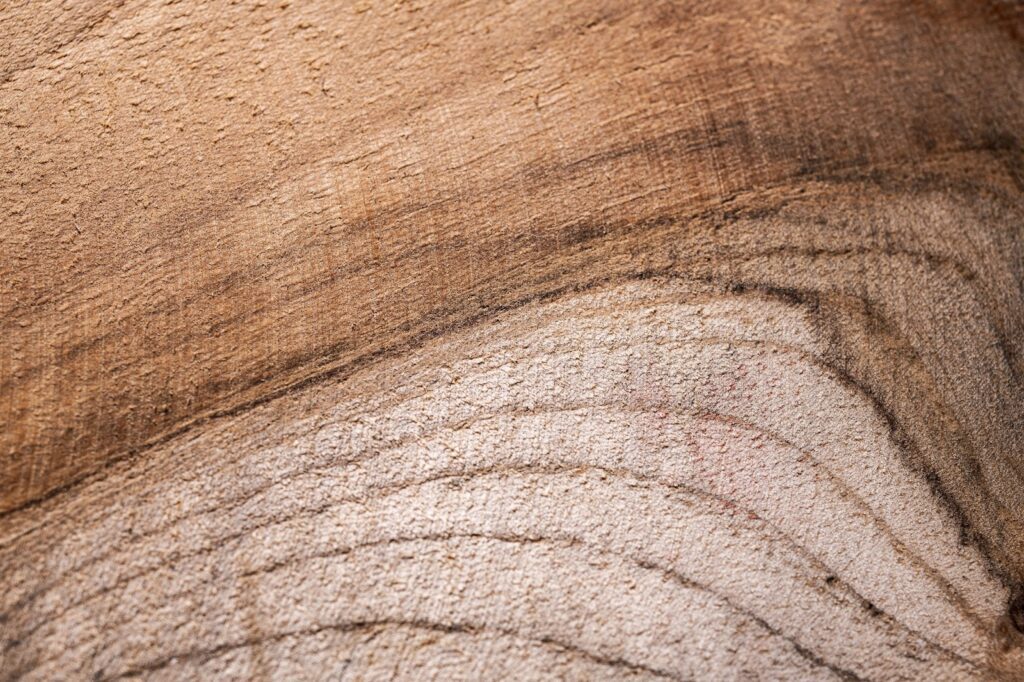
One of the easiest ways to identify real teak wood is by observing the grain pattern. Genuine teak (from Tectona grandis) typically has a straight strain, though slight waves may appear in some pieces.
The texture feels smooth yet slightly oily due to its natural teak oil content. Unlike softer woods, teak has a consistent and tight grain.
If you notice overly dramatic or artificial-looking patterns, it could be veneer or even engineered wood printed with teak-like finish.
2. Colour

Real teak wood comes in warm tones ranging from golden huey to medium brown. Over time, especially when exposed to sunlight, genuine teak will change from brown to a light silver-grey. This is completely normal and does not affect its strength or durability.
Freshly cut teak often appears honey-gold, while older pieces deepen into a richer brown. If the colour looks too pale or unnaturally dark and uniform, it may be stained rubberwood or another hardwood trying to mimic teak.
3. Weight and Density
Teak is a dense hardwood, which means it feels solid and heavy for its size. When you lift a real teak chair or table, you’ll notice the difference immediately. It should feel sturdy and never hollow or light.
Many fake teak products use cheaper core materials with a thin teak veneer on the outside. These pieces may look convincing at first glance but lack the substantial weight of solid teak.
4. Natural Oil
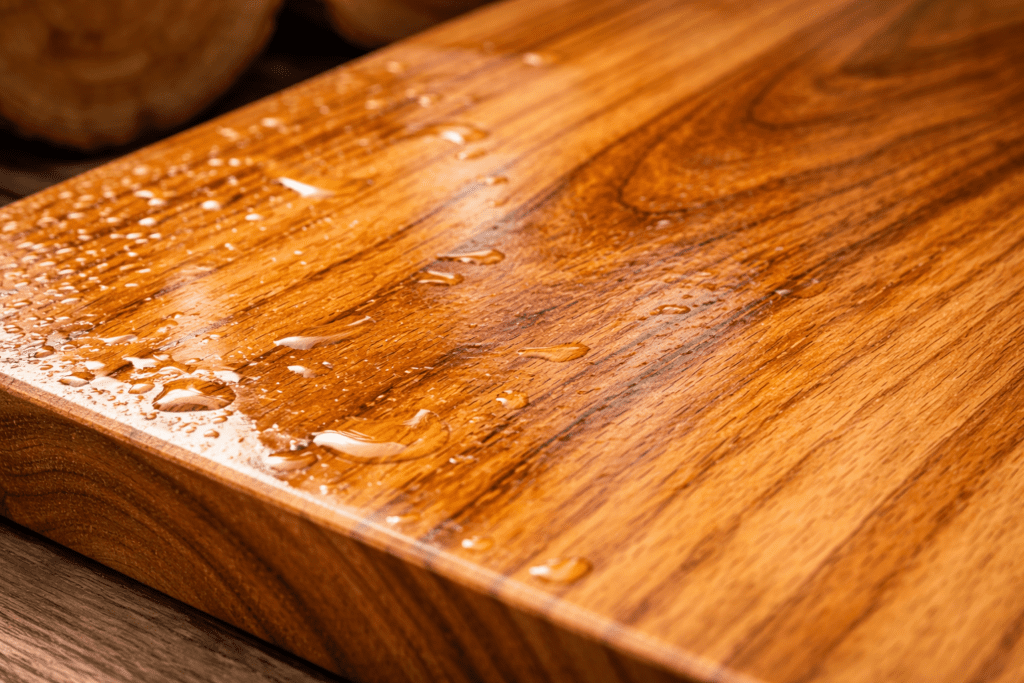
One of teak’s most distinctive features is its natural oil. This oil makes teak highly resistant to moisture, termites and decay. This is also why teak is commonly used for outdoor furniture or even marine furniture.
Test the oil content by running your hand across unfinished teak. It should feel slightly smooth and almost waxy, but not sticky. If the surface feels completely dry and rough (without finishing), it might not be genuine teak.
5. Smell
Real teak has a subtle, leather-like scent when freshly cut or lightly sanded. The natural oils give off a mild, pleasant aroma. If there’s no scent at all or worse, a strong chemical smell, it could be treated or engineered wood.
6. Resistance
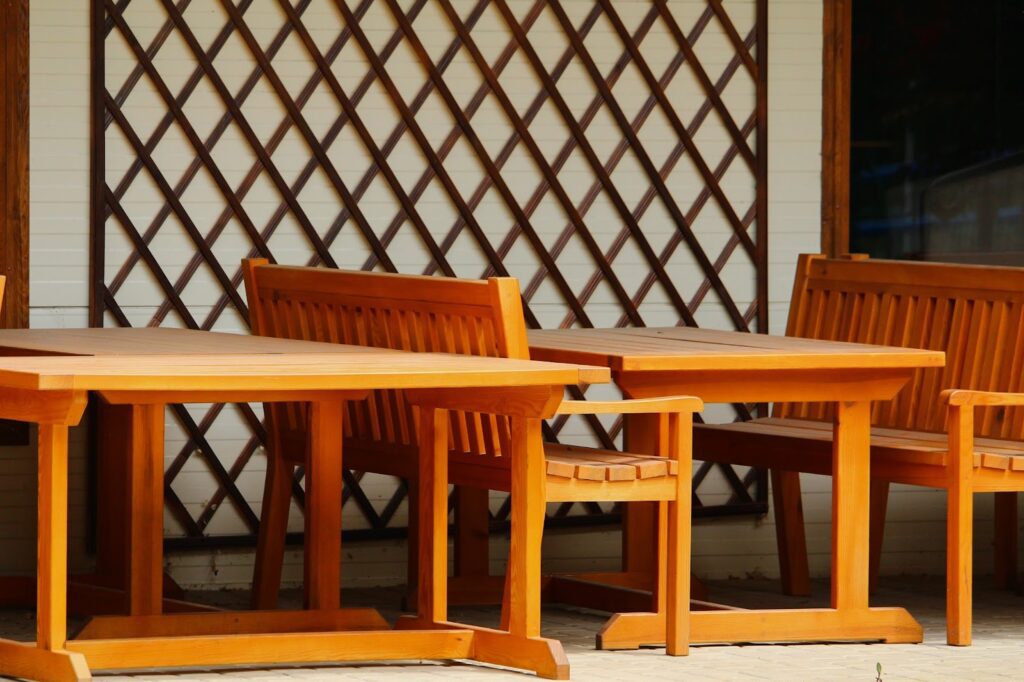
Teak is prized for being highly durable. Cracking or swelling within a short period usually points to fake teak. Real teak is built to withstand humidity and harsh weather, especially in tropical climates.
You can also try a simple water test on unfinished wood. Place a small drop of water on the surface. Due to its natural oil content, genuine teak tends to repel water slightly, causing it to bead instead of absorbing immediately.
7. Price
Real teak can be affordable but not unusually cheap. It is widely regarded as one of the most expensive hardwoods in the market, and it’s easy to see why. With all its premier qualities, teak delivers long-term value that cheaper woods cannot match.
There are no “solid teak” furniture sold at unusually low prices. These could be mixed hardwood marketed as full teak or a completely different wood stained to resemble teak. Whatever it may be, never purchase cheap teak because it may not be teak at all.
Knowing how to identify real teak wood will save you the hassle of wasting money on low-quality imitations. So take your time to go through all the details and don’t worry about spending a little more money.
Proper teak wood is built to remain in your household for decades and maybe even generations to come! Looking for teakwood furniture in Singapore? Visit timberry.com.sg or contact us to find out more!
Related Posts